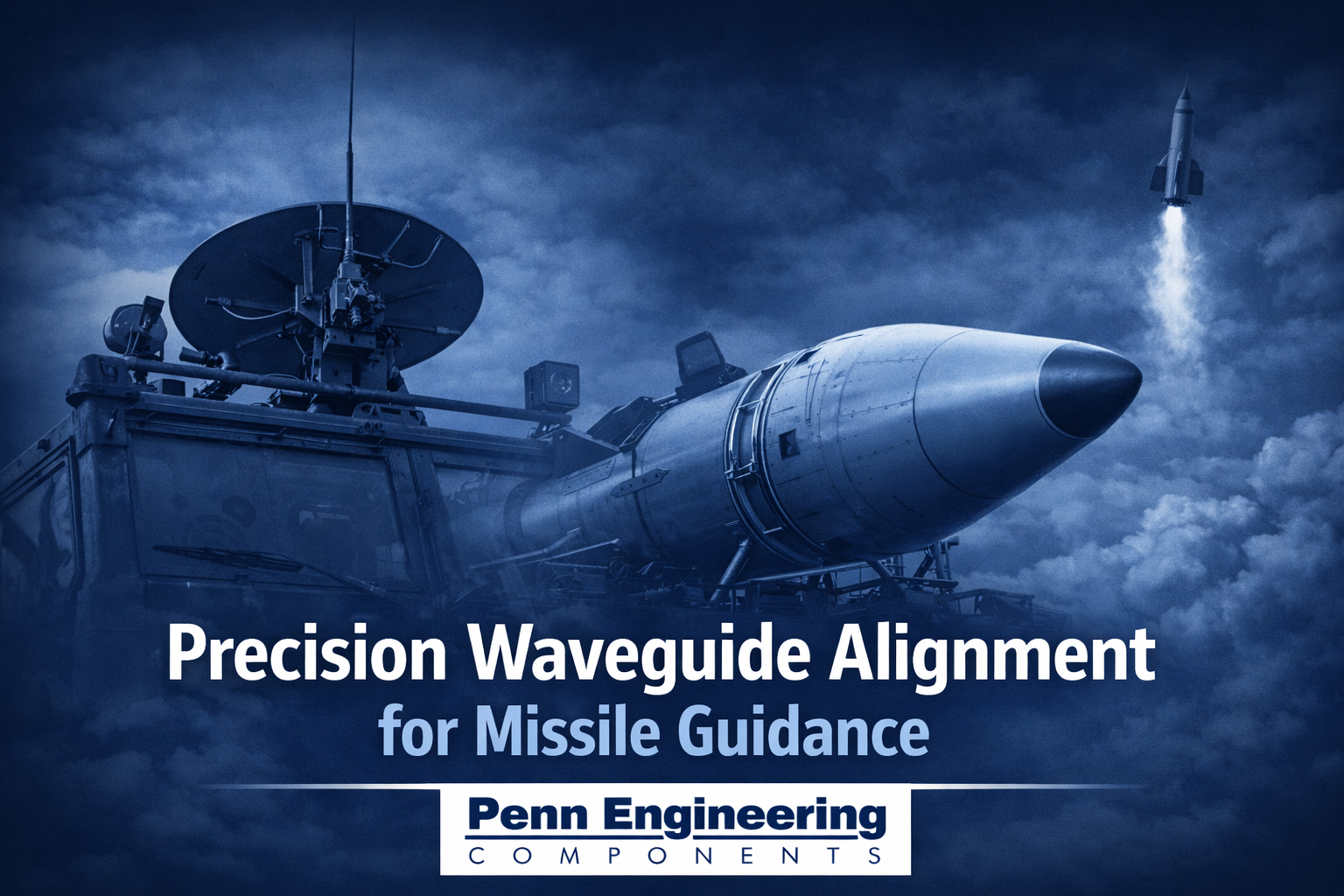
Missile guidance systems operate in some of the most demanding mechanical and RF environments in defense applications. These systems rely on precise signal transmission to support tracking, targeting, and guidance accuracy, often under extreme acceleration, vibration, and thermal stress. In this context, waveguide alignment is a critical mechanical factor that directly impacts system performance and reliability.
For defense engineers, selecting waveguide components manufactured with tight dimensional control and alignment accuracy is essential to maintaining guidance integrity throughout a missile’s operational lifecycle.
Waveguide Alignment and Signal Integrity
Missile guidance systems commonly use waveguides to route high-frequency RF signals between seekers, antennas, transmitters, and receivers. At these frequencies, even small mechanical misalignments at waveguide interfaces can introduce signal reflections, phase errors, or insertion loss.
Precision alignment ensures:
- Consistent signal propagation across interfaces
- Reduced RF loss at flanged connections
- Stable performance across the operating bandwidth
In guidance systems where accuracy margins are narrow, mechanical alignment is not a secondary concern—it is foundational to reliable signal behavior.
Mechanical Stress in Missile Environments
Unlike fixed or ground-based defense systems, missile platforms subject components to intense mechanical forces. Rapid acceleration, vibration during launch, and dynamic flight conditions place significant stress on RF assemblies and interfaces.
Waveguide components used in missile guidance systems must:
- Maintain dimensional accuracy under high G-loads
- Preserve flange alignment despite vibration and shock
- Prevent mechanical drift that can degrade RF performance
Precision-machined waveguide sections, bends, and flanges help ensure alignment remains intact throughout these stresses, reducing the risk of performance degradation during critical mission phases.
The Importance of Flanged Interfaces
Flanged waveguide interfaces are common connection points within guidance subsystems. These interfaces must be machined to exact specifications to ensure proper mating, alignment, and repeatability.
Accurately machined flanges:
- Maintain consistent alignment across assemblies
- Minimize tolerance stack-up between connected components
- Support repeatable installation and maintenance
For missile guidance applications, flange accuracy plays a direct role in preserving signal consistency from assembly through deployment.
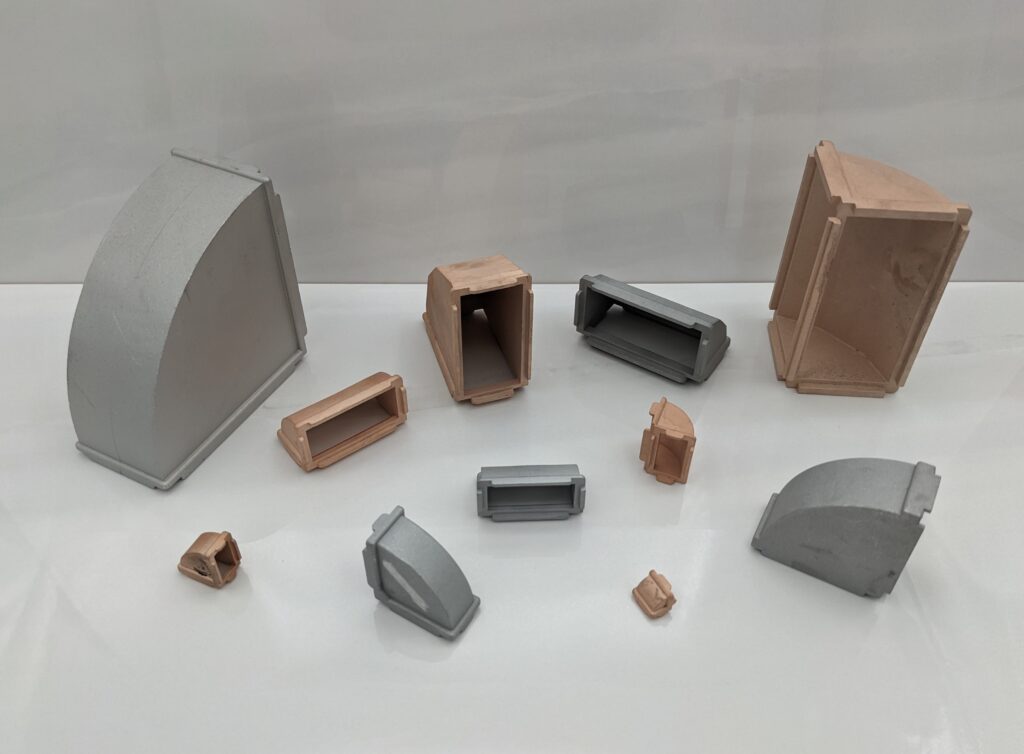
Custom flanged interfaces
- Tight packaging demands accurate bends and compact routing
- Flanges must maintain alignment under extreme acceleration
- Mechanical precision directly impacts guidance signal consistency
Precision Bends and Compact Routing
Missile guidance systems often require compact RF routing within tightly constrained spaces. Precision waveguide bends—such as E-plane and H-plane bends—must be manufactured with strict dimensional control to maintain alignment and minimize RF disruption.
Well-aligned bends:
- Preserve signal integrity through directional changes
- Reduce unwanted mode conversion
- Support compact, mechanically stable system layouts
This level of precision is especially important in guidance systems where space, weight, and performance must be carefully balanced.
Why Component Precision Matters at the System Level
Missile guidance systems depend on the cumulative performance of many components working together. Even when individual RF elements meet electrical requirements, mechanical inaccuracies can introduce system-level risk.
Precision-machined waveguide components help defense engineers:
- Reduce alignment-related performance variability
- Improve repeatability across builds
- Increase confidence in system reliability under real-world conditions
Selecting waveguide components manufactured with strict attention to alignment and dimensional accuracy supports consistent guidance performance when it matters most.
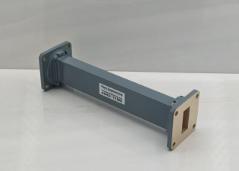
Compact straight waveguide sections
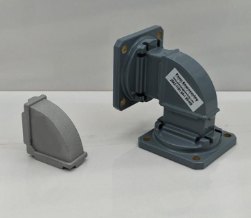
E-plane and H-plane Bends
Precision-machined waveguide flanges and transitions built to your drawings, with support for MIL-SPEC, commercial, and custom specifications.
Precision Waveguide Components for Missile Guidance Systems
Penn Engineering Components manufactures precision waveguide sections, bends, flanges, transitions, and custom assemblies engineered to support the mechanical accuracy required in missile guidance applications.
Explore defense-ready waveguide components and discuss components built to your drawings and specifications.
Connect With Our Sales Team
To discuss your defense systems and waveguide requirements